Background:
Many bacteria have developed resistance to the most commonly used beta-lactam antibiotics. As a result, these antibiotics are ineffective. One of the causes is the mutation of the bacterium’s porin channels, which many active ingredients use as a pathway into the bacterium. The active ingredient discussed here, however, uses a different pathway—it is actively taken up through the iron transport system of the bacteria and can thus remain effective despite mutated porin channels.
MOA 3D animation – antibiotic
Copyright for visual material: Client NDA
Music: Kevin McLeod – Impact prelude – License: Creative Commons (CC BY 3.0)
Project description:
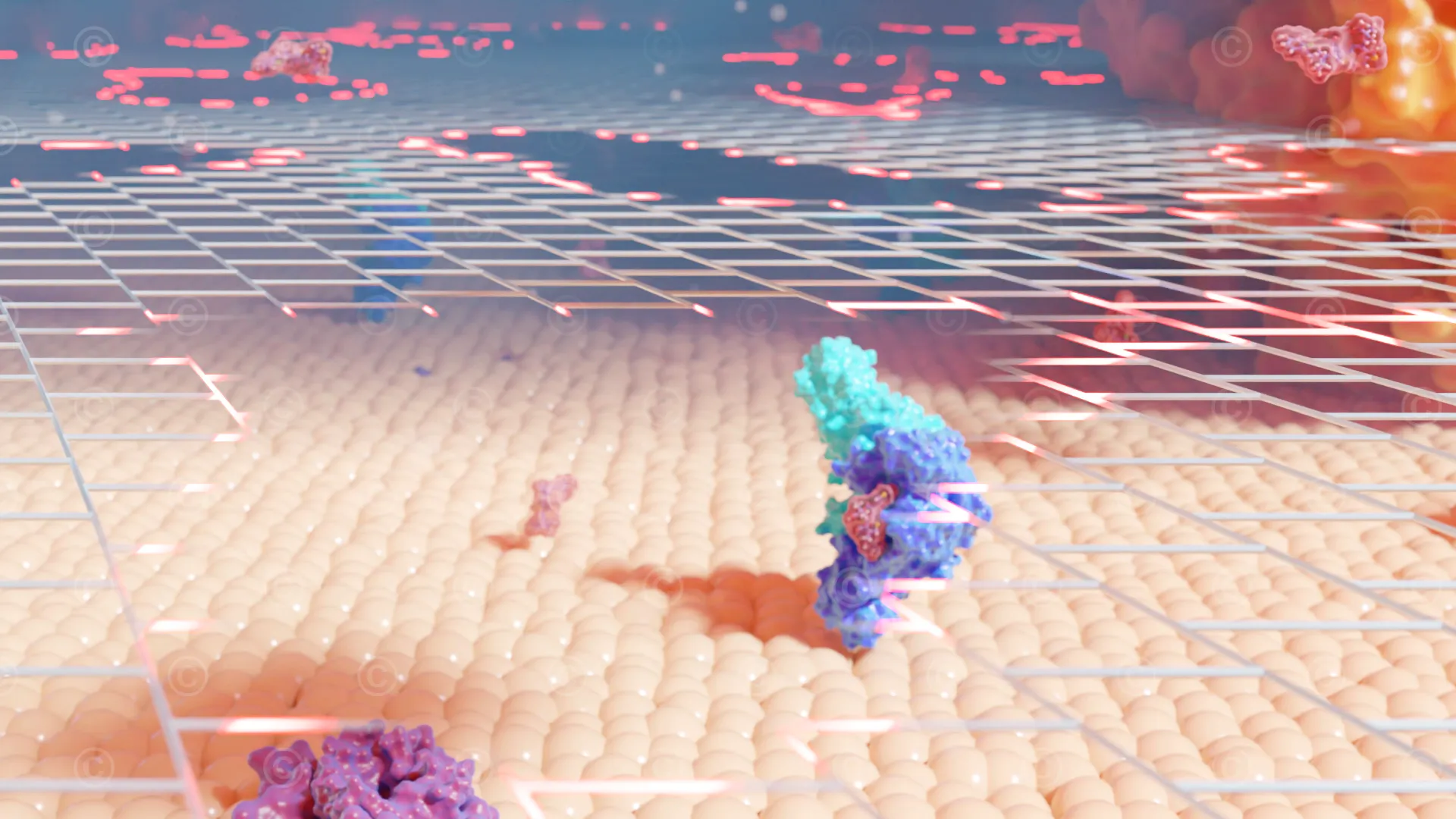
Creation of a “mechanism of action” 3D animation illustrating how this beta-lactam antibiotic works. The animation focused on depicting the alternative route of entry of the active ingredient and its properties within the bacterium.
One of the most important classes of antibiotics used are beta-lactam antibiotics. These penetrate the bacterial cell and block cell wall synthesis there. The bacterium is unable to maintain the stable murein structure of its cell wall and consequently dies.
Many commonly used beta-lactam antibiotics enter the interior of the bacterium through porin channels. These channels are located in the outer membrane of Gram-negative bacteria and facilitate the passive transport of molecules.
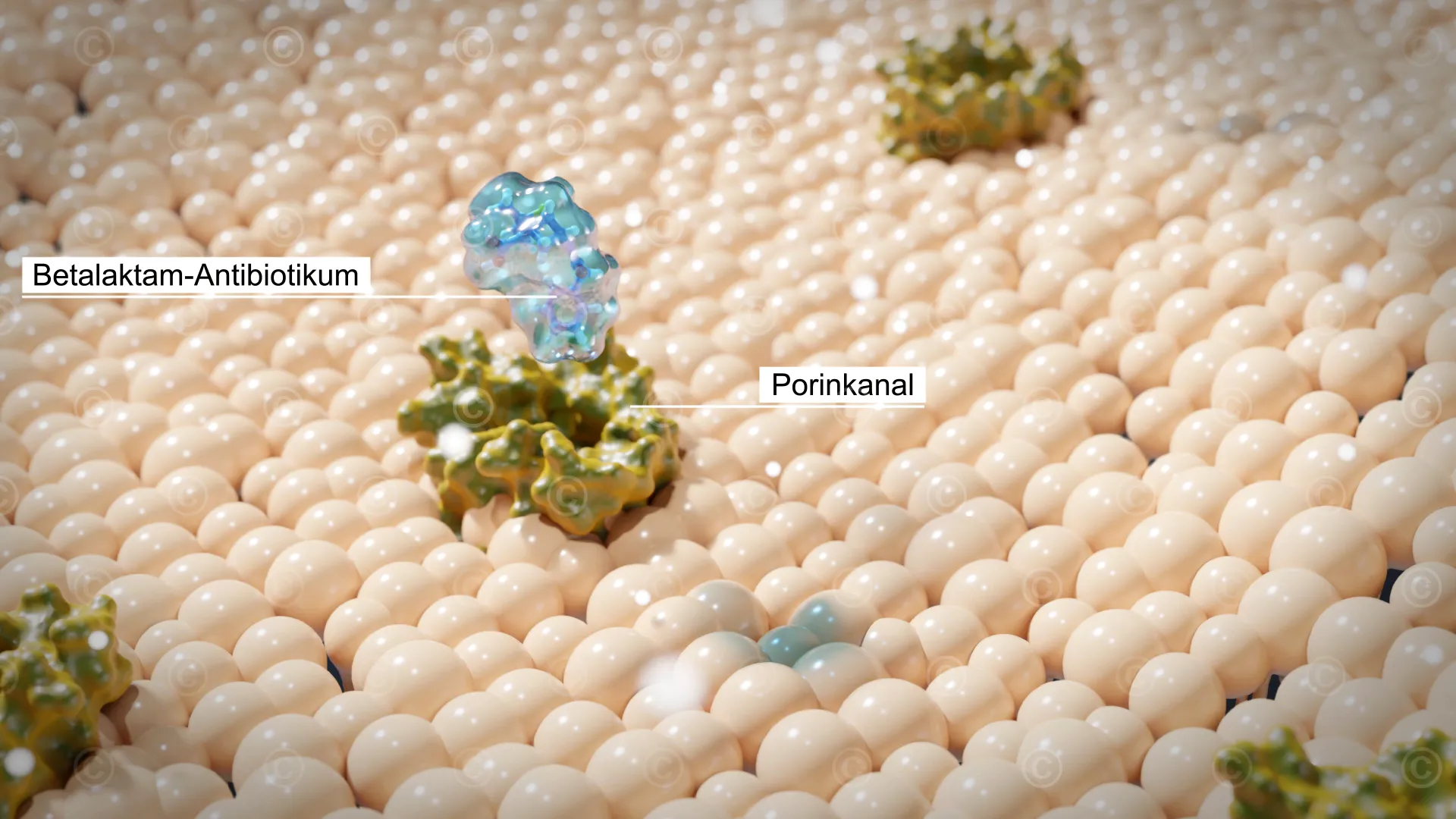
However, an increasing number of bacterial strains are developing mutations in their porin channels, which prevent many beta-lactam antibiotics from entering the bacteria and thus render them ineffective.
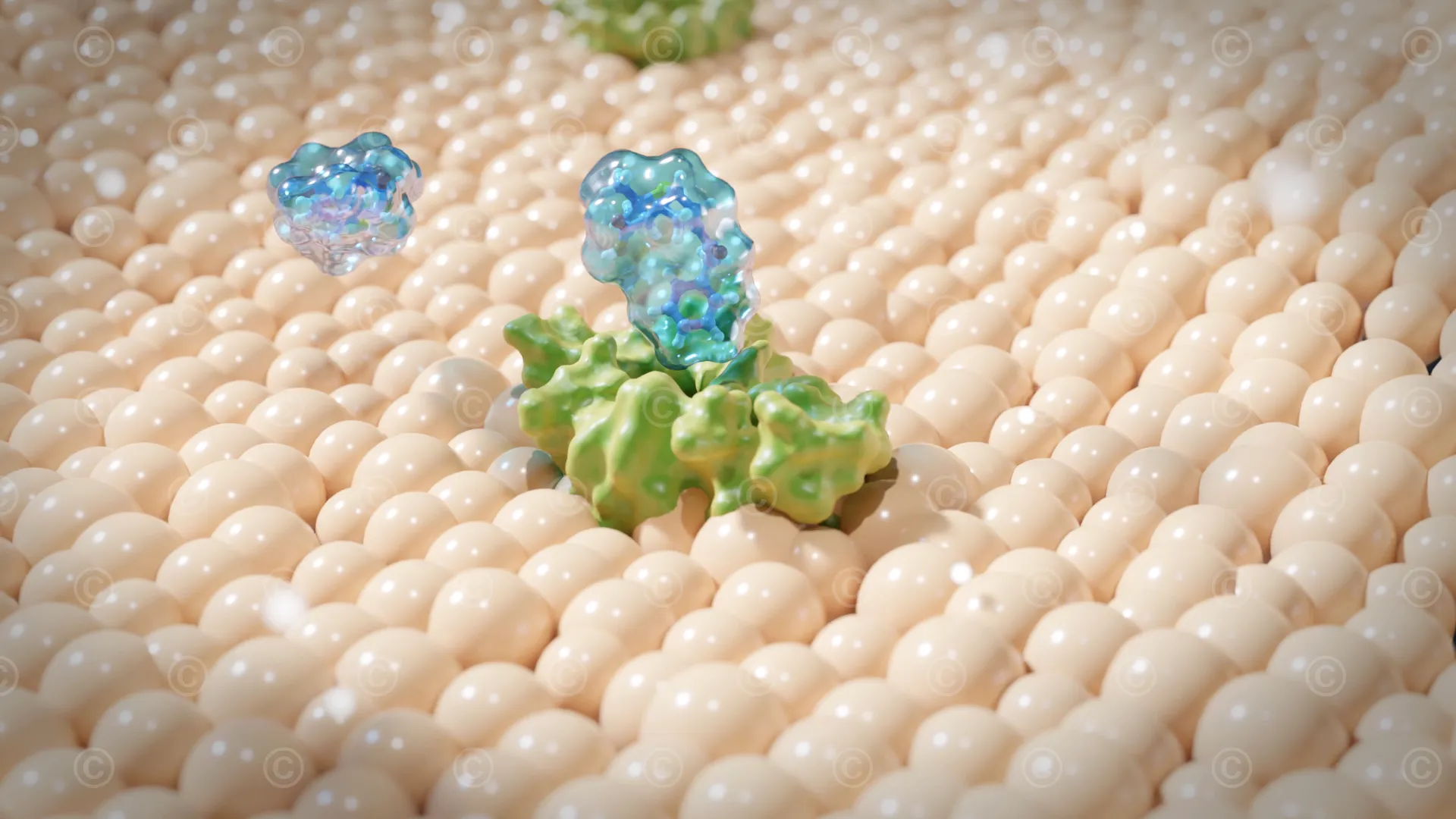
However, the active ingredient discussed here uses a different route of entry, namely using the iron transport system of the bacteria. The bacterium actually uses these channels to absorb the iron it needs in the form of siderophores. Siderophores (“iron carriers”) are small molecules that bind iron, thereby making it bioavailable.
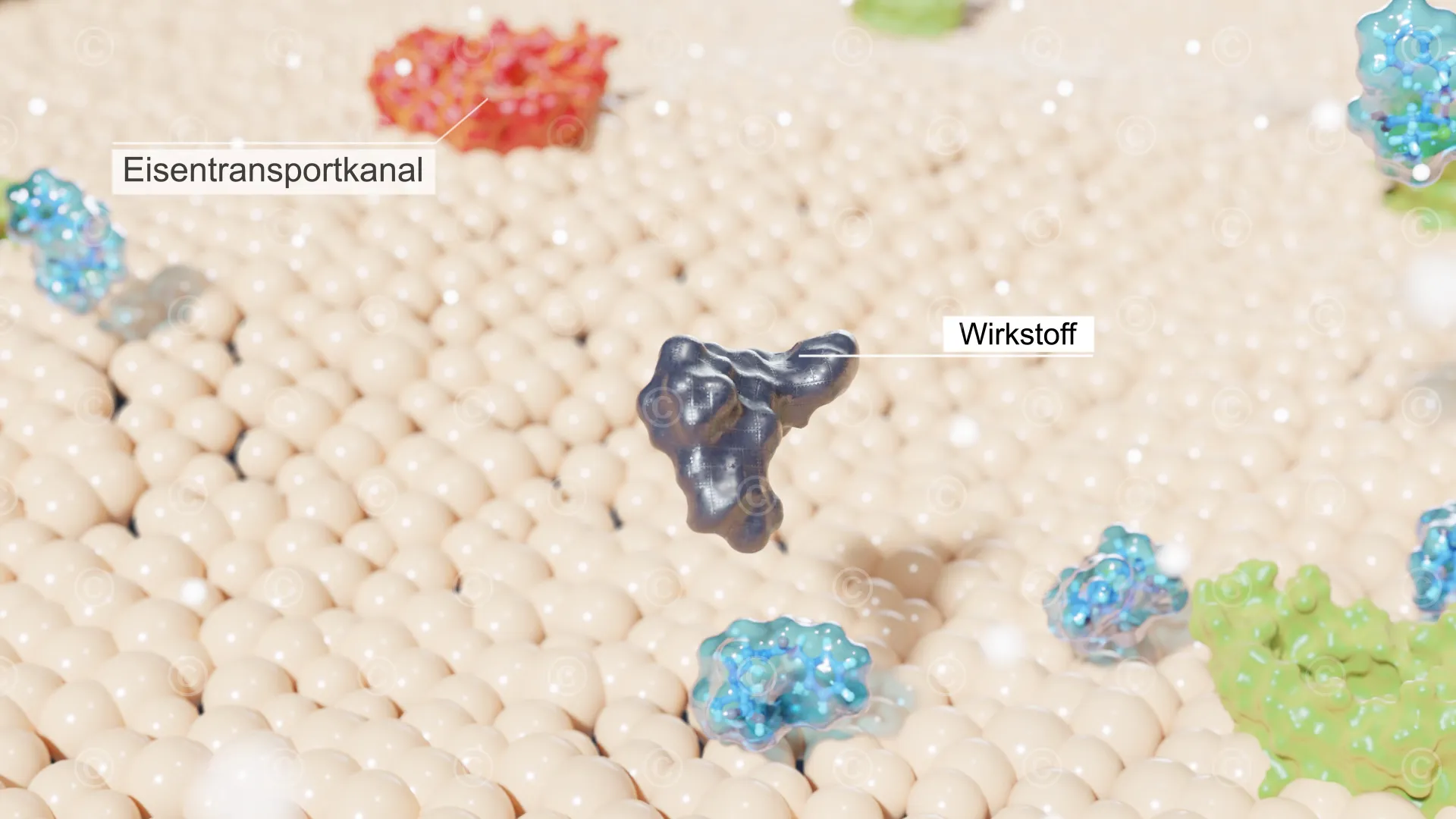
The chemical structure of the active ingredient is similar to that of a siderophore, so the iron transport channel essentially mistakes it for the iron it needs and transports it into the cell.
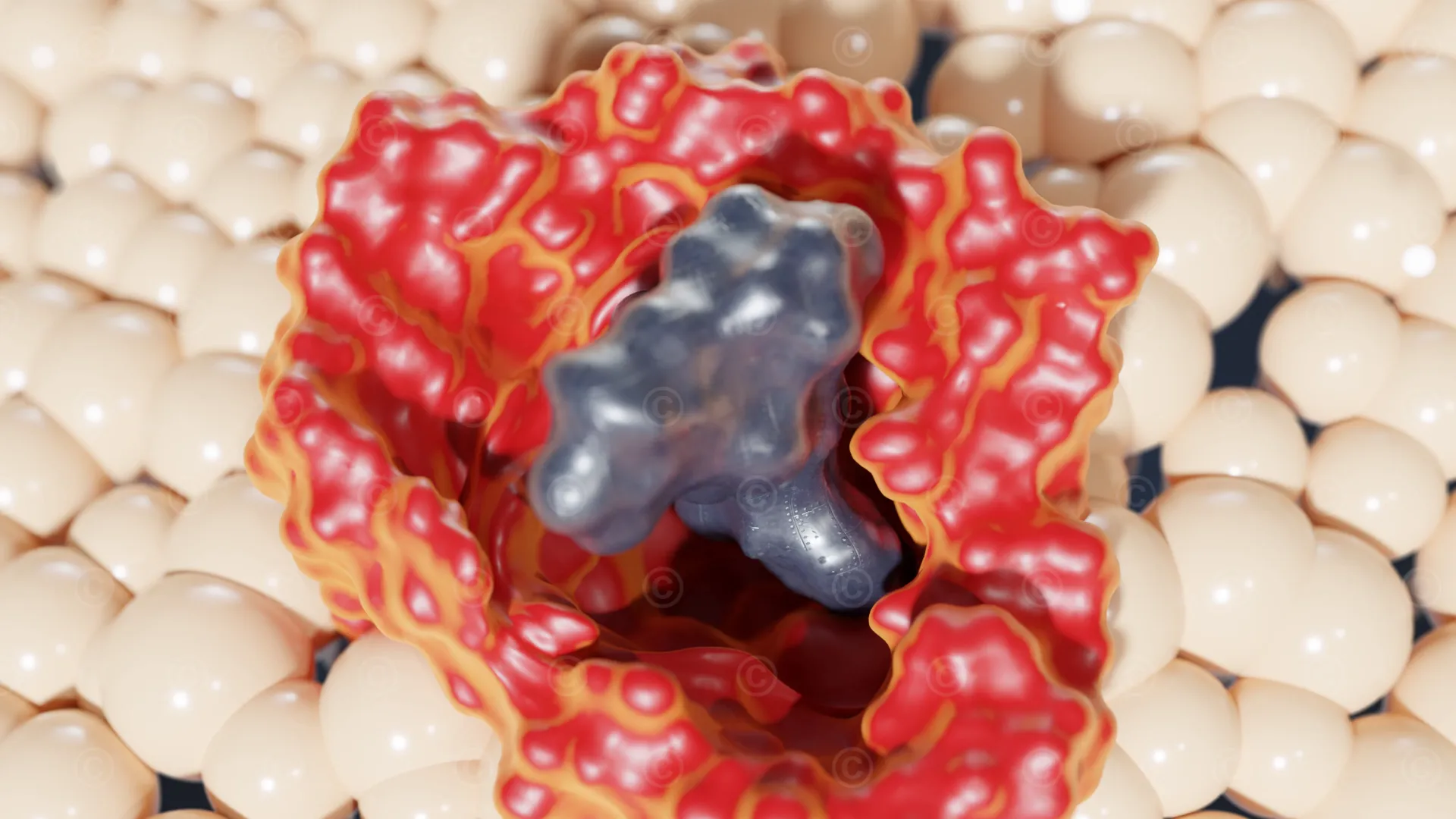
In the periplasmic space of the bacterium, the iron is released and the antibiotic becomes active.
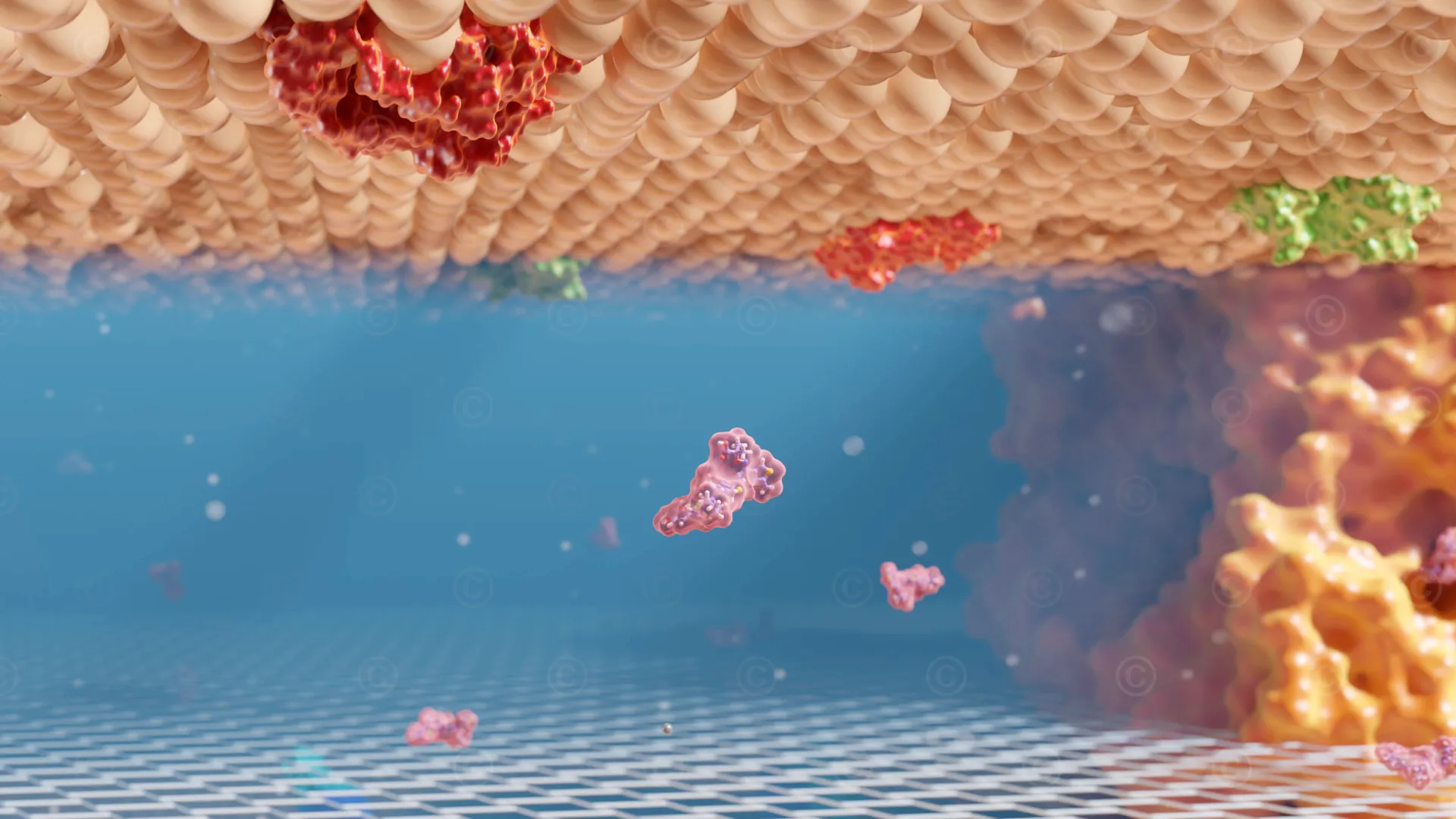
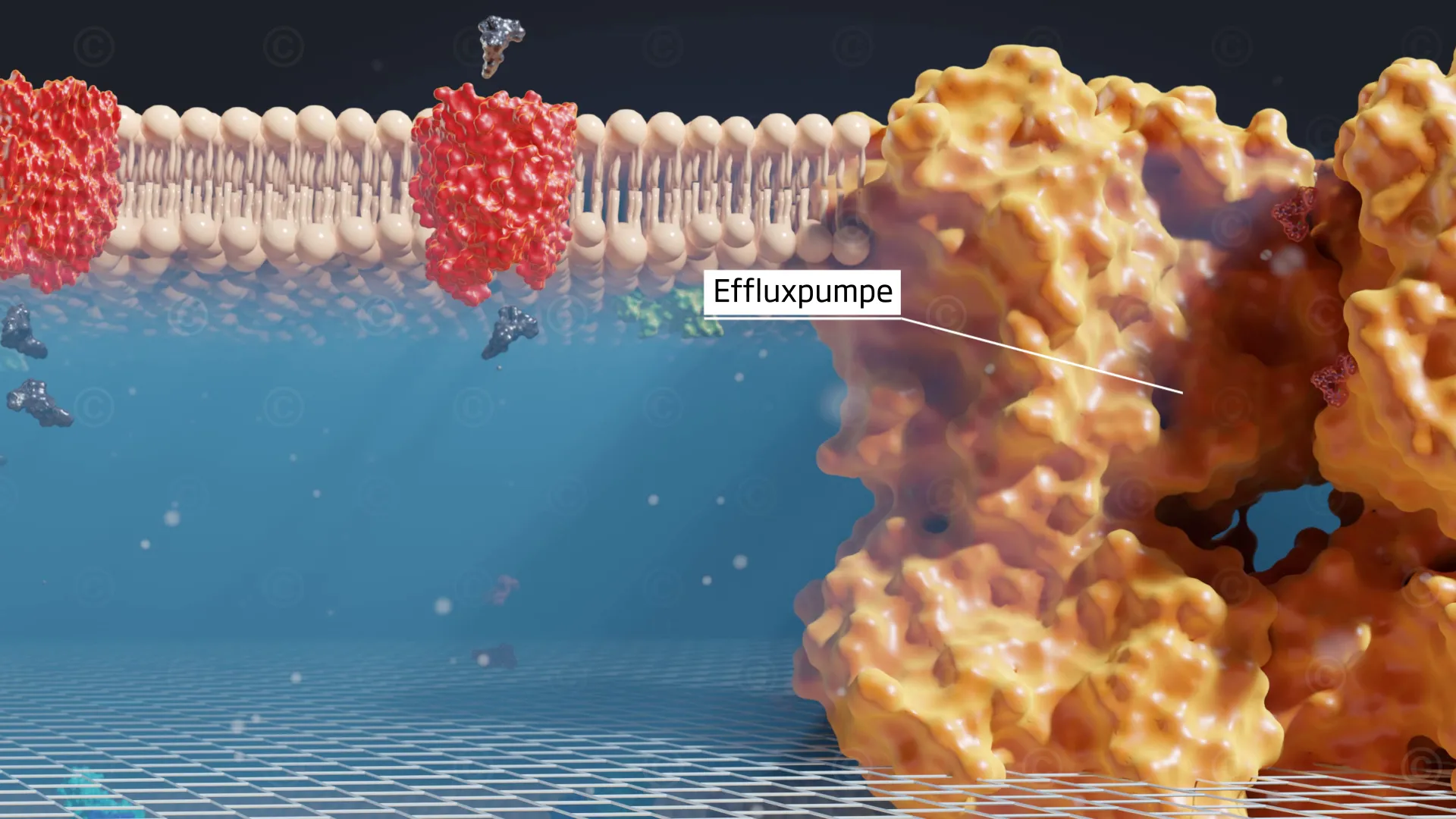
The MOA animation now focuses on the bacteria’s defense mechanisms against the antibiotic. The first point is that the bacteria are unable to effectively expel the active ingredient using efflux pumps.
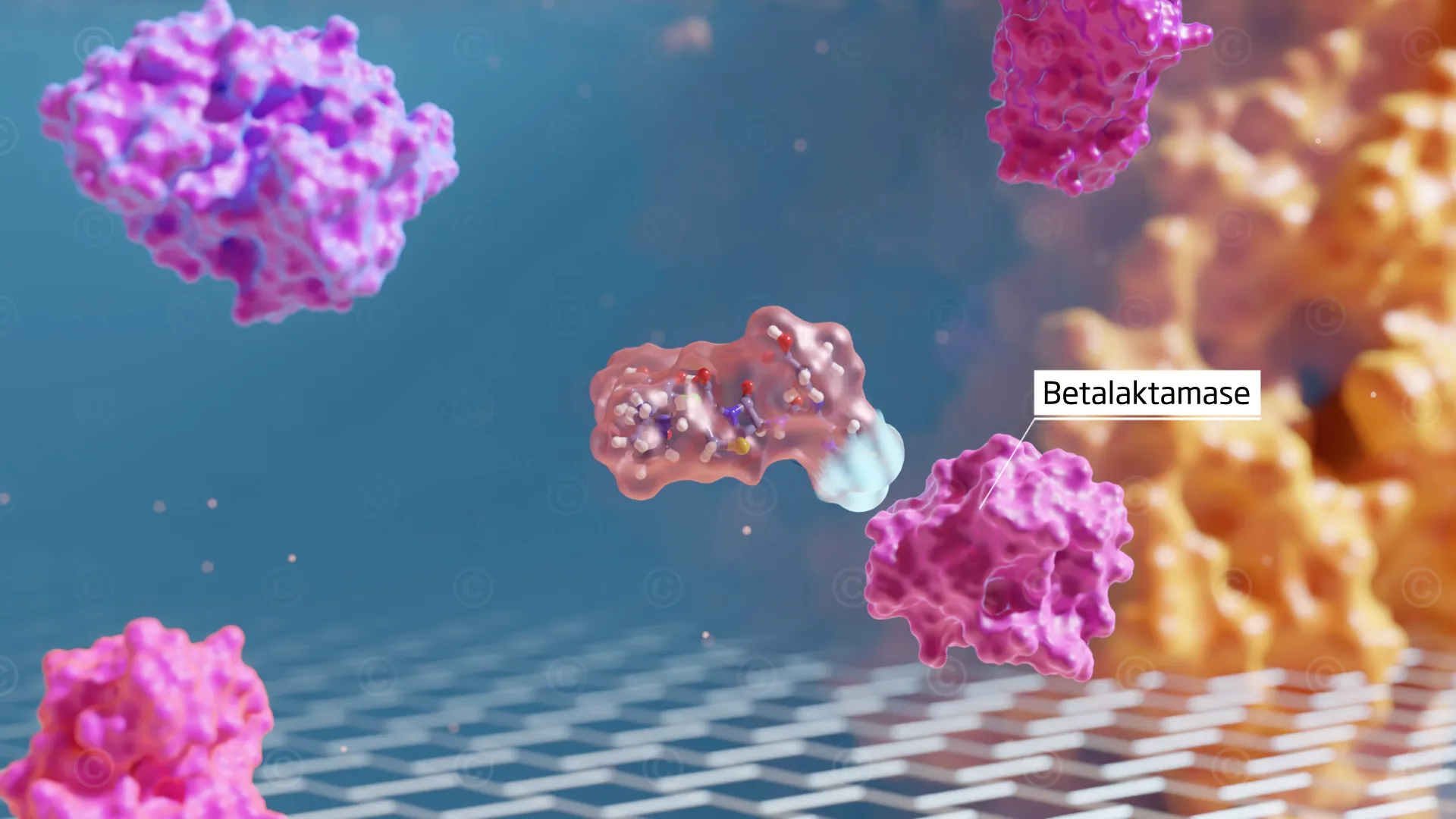
Furthermore, beta-lactamases are ineffective against the antibiotic in question. These beta-lactamases are enzymes produced by bacteria to break down the chemical structure of beta-lactam antibiotics, thereby rendering them ineffective.
Both of the bacterium’s defense mechanisms are ineffective against the antibiotic in question.
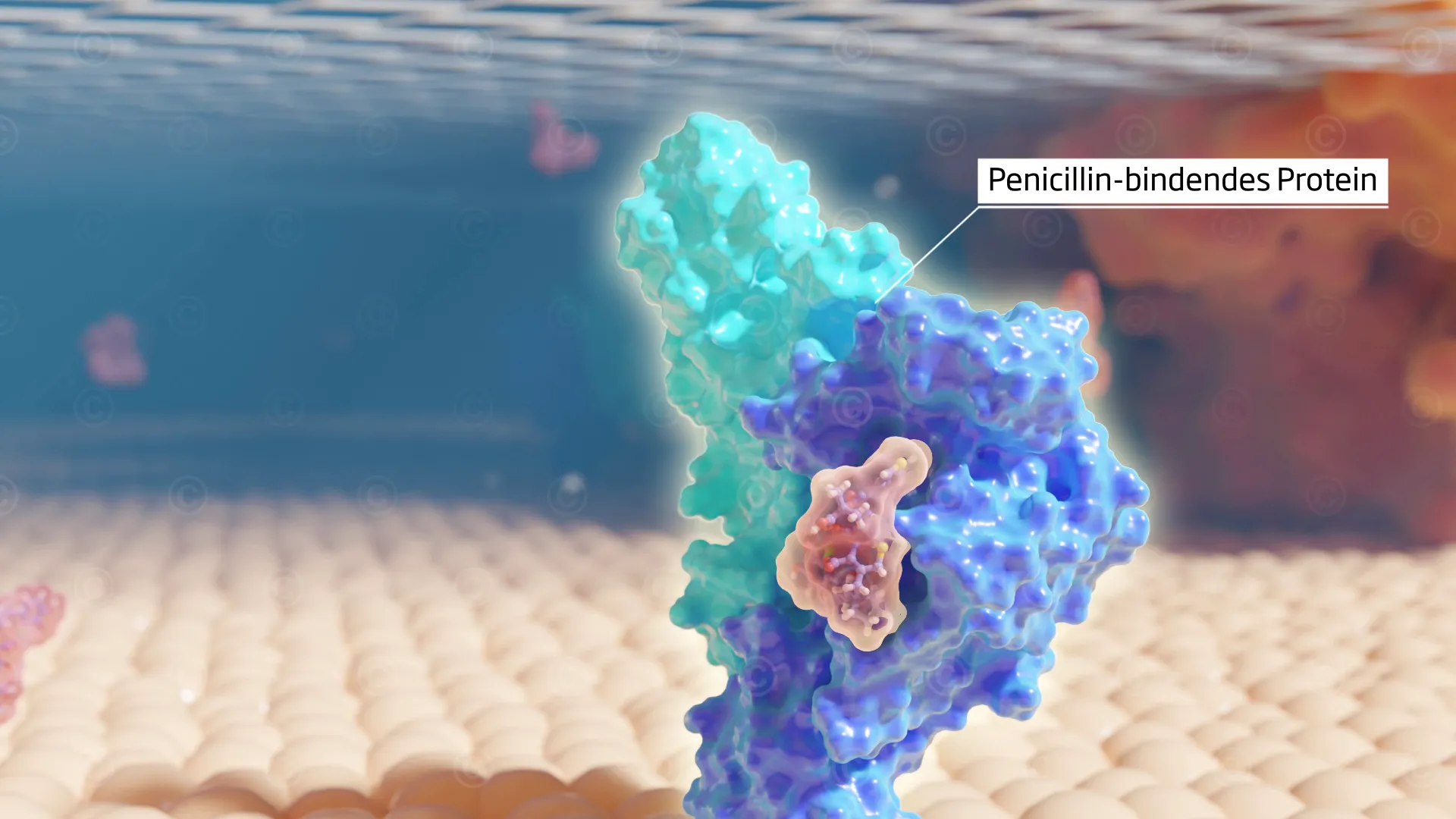
This allows the antibiotic to bind to the bacteria’s penicillin-binding proteins, thereby blocking cell wall synthesis.
As a result, the bacterium can no longer maintain its cell wall (peptidoglycan layer), loses its structural integrity, and subsequently dies (lysis of the bacterium).
Project details MOA 3D animation – antibiotic
Content: Mode-of-action 3D animation
Use: Sales, Website, Trade Shows and Conferences
Specs: Full-HD, 3:15 minutes, German, subtitles + voice-over
Client: NDA
The rights to use the visual material shown here belong to the client; use of the images shown here is not permitted. Images and videos are protected by watermarks.