Background:
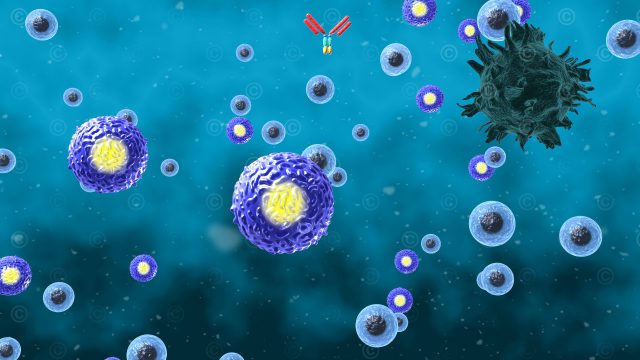
Multiple myeloma (plasmacytoma) is a malignant disease of the bone marrow. In patients with multiple myeloma, certain white blood cells (plasma cells) in the bone marrow become abnormal and multiply uncontrollably. These cells displace normal blood cell production in the bone marrow and produce large quantities of non-functional antibodies.
Animation: active substances against multiple myeloma
Copyright for visual material: Janssen / Johnson & Johnson
Music: Kevin McLeod – Impact prelude – License: Creative Commons (CC BY 3.0)
Project description:
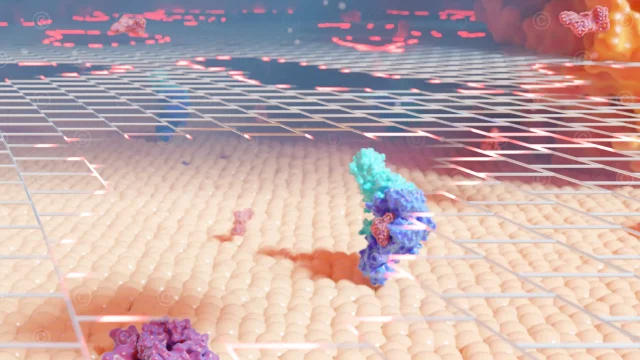
Design of a “mode of action” 3D animation illustrating the use of two active ingredients (API) to treat patients with multiple myeloma. The active ingredients target different mechanisms in the treatment and have a synergistic effect when used together. The animation provides a brief overview of how the two substances work.
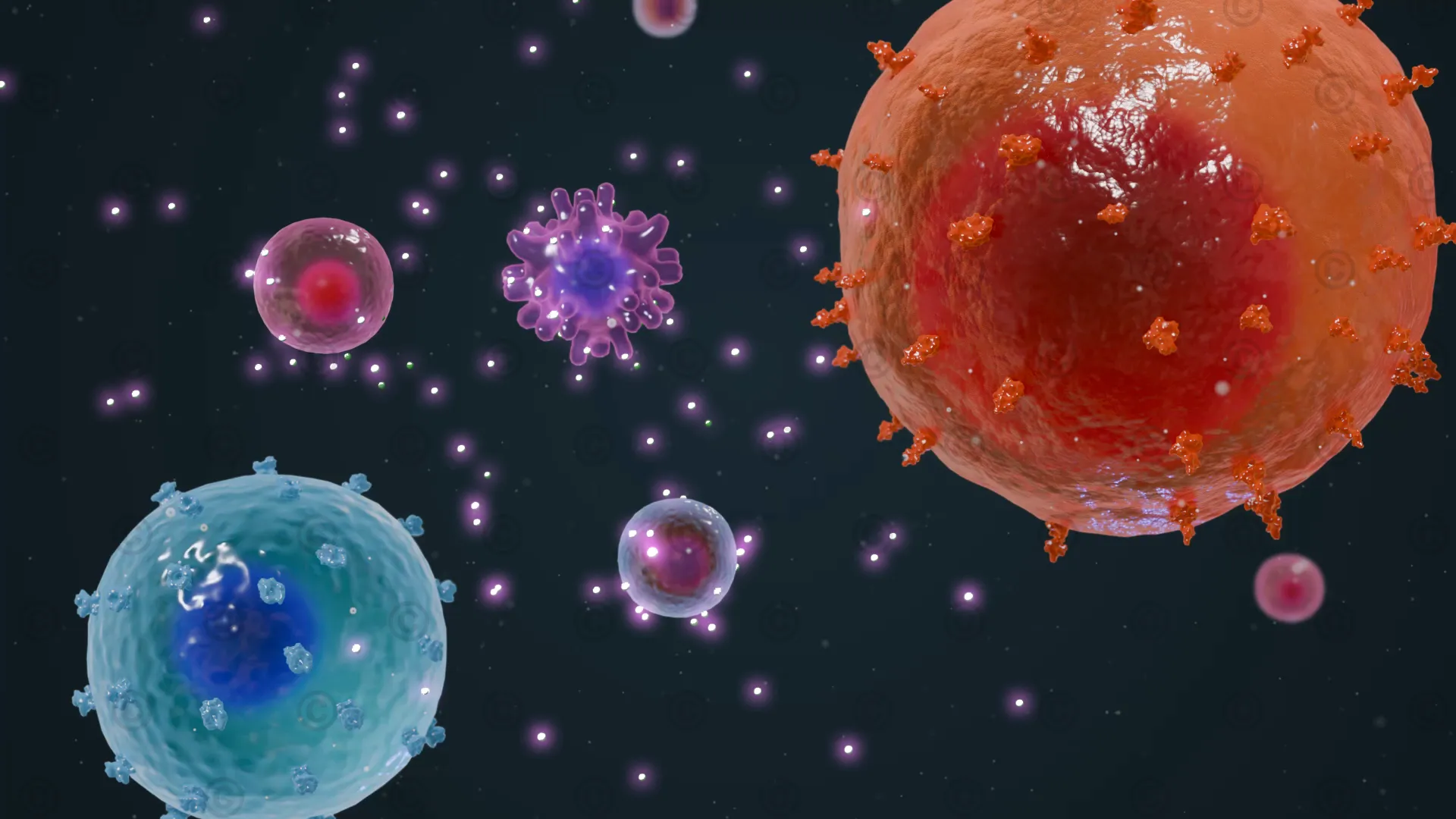
In a tumor microenvironment, regulatory immune cells – which are actually supposed to prevent autoimmune reactions – can inhibit the activity of T cells. As a result, these T cells are unable to effectively fight the tumor cells.
The first active ingredient discussed is a human monoclonal antibody. It binds to CD38-positive regulatory immune cells, thereby reducing their number.
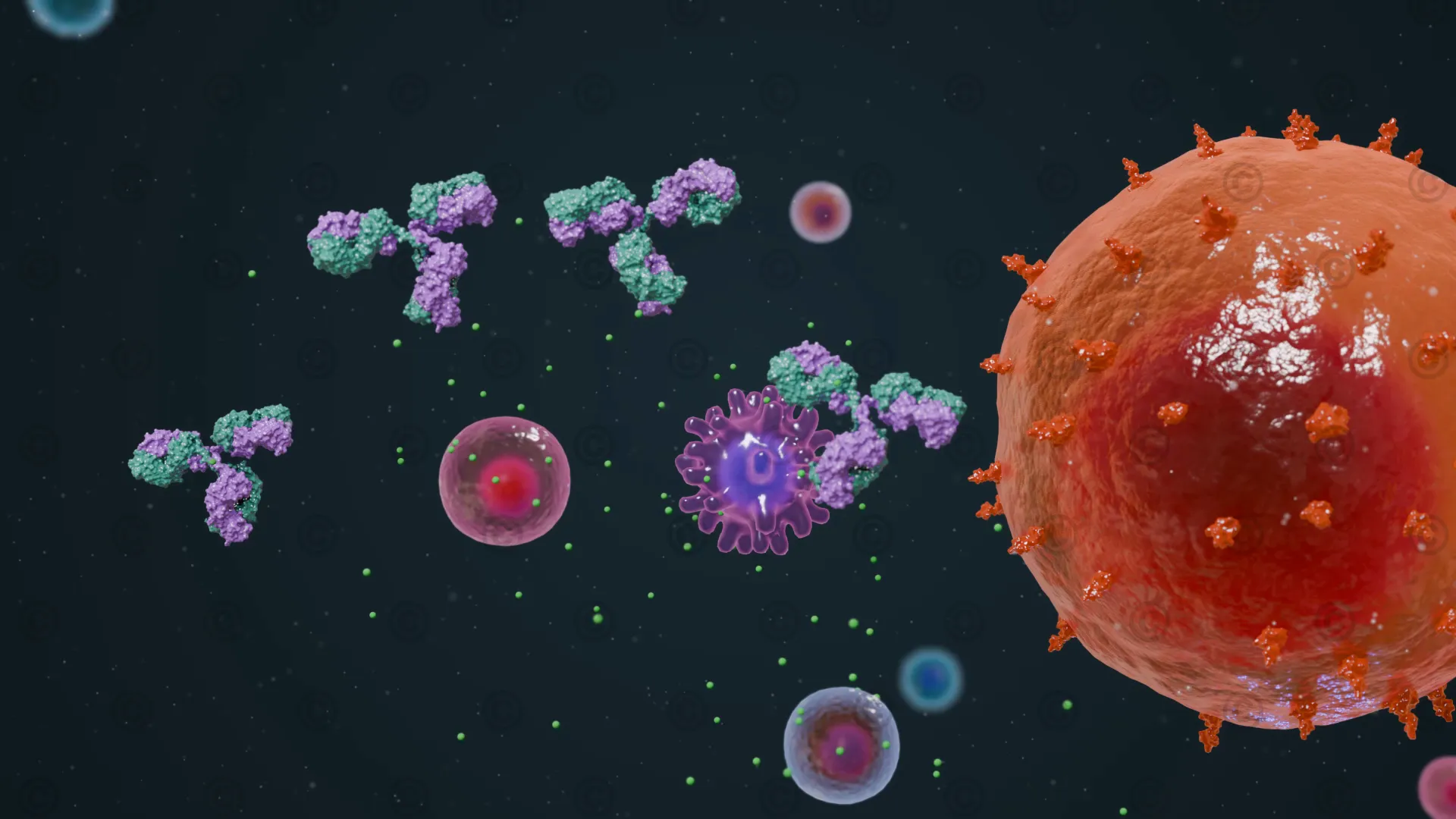
This causes more active immune cells to be recruited to the proximity of the myeloma cells, where they can then target the cancer cells.
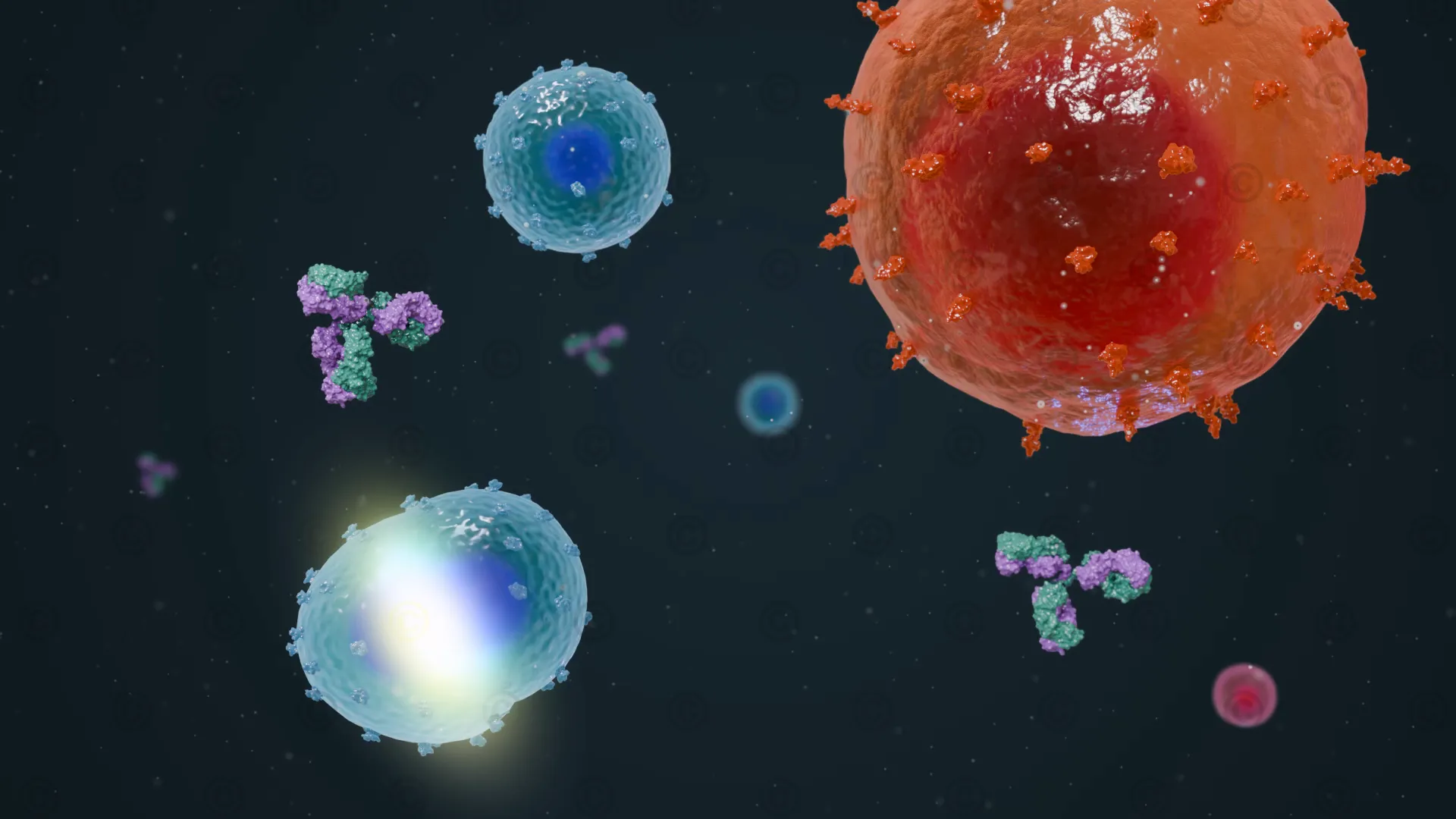
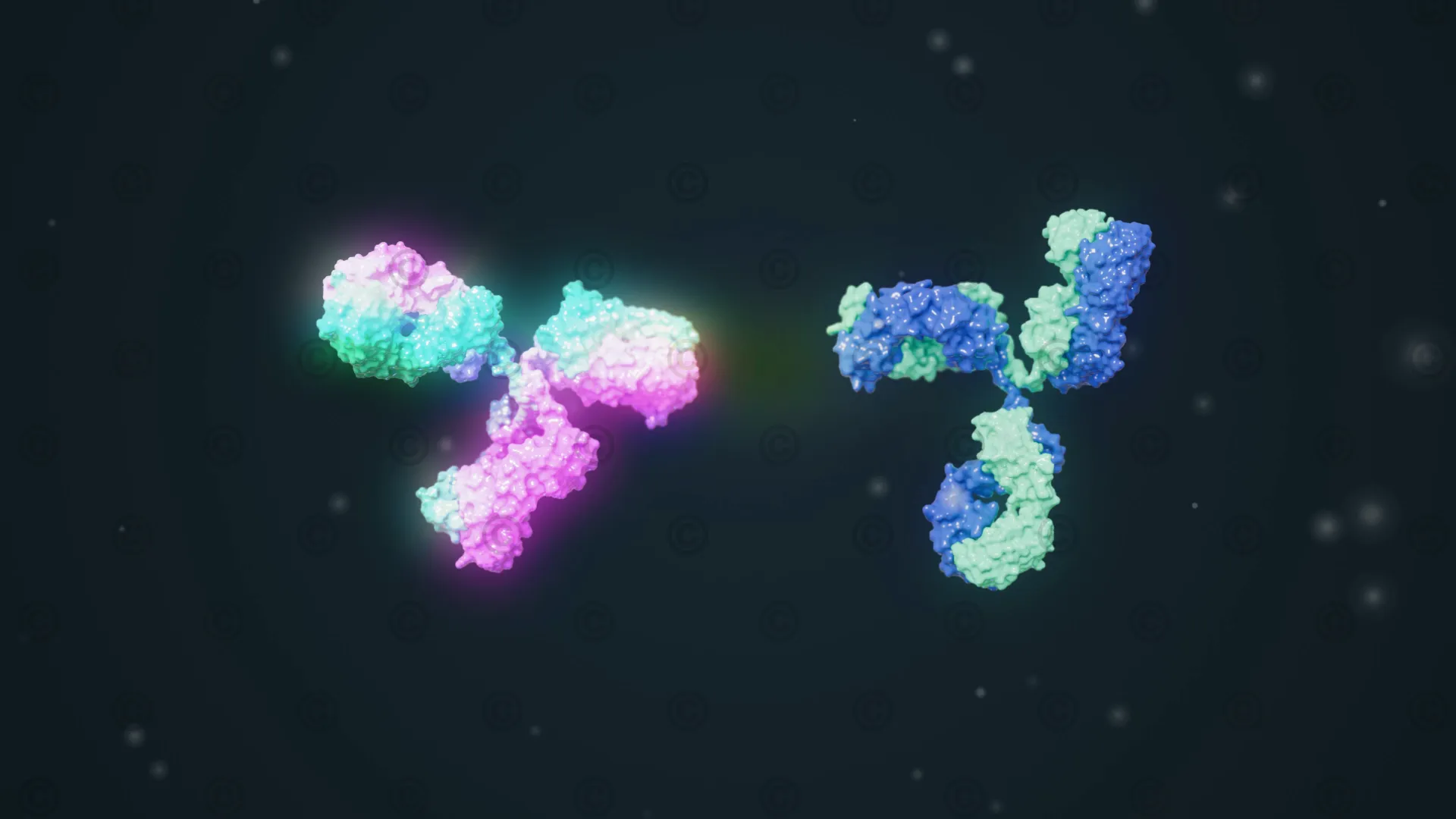
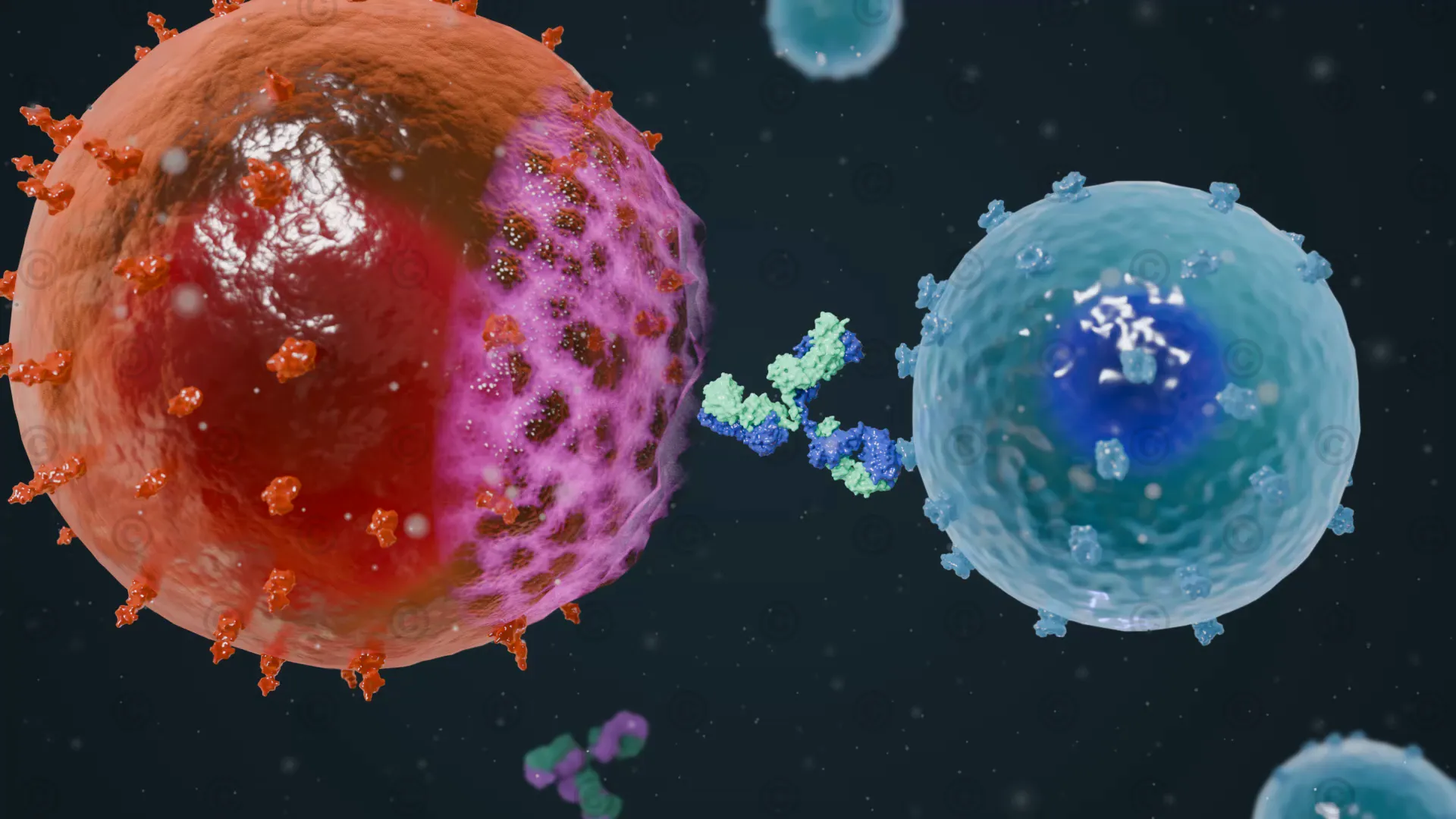
The second active ingredient discussed is a bispecific antibody that binds T cells and myeloma cells together.
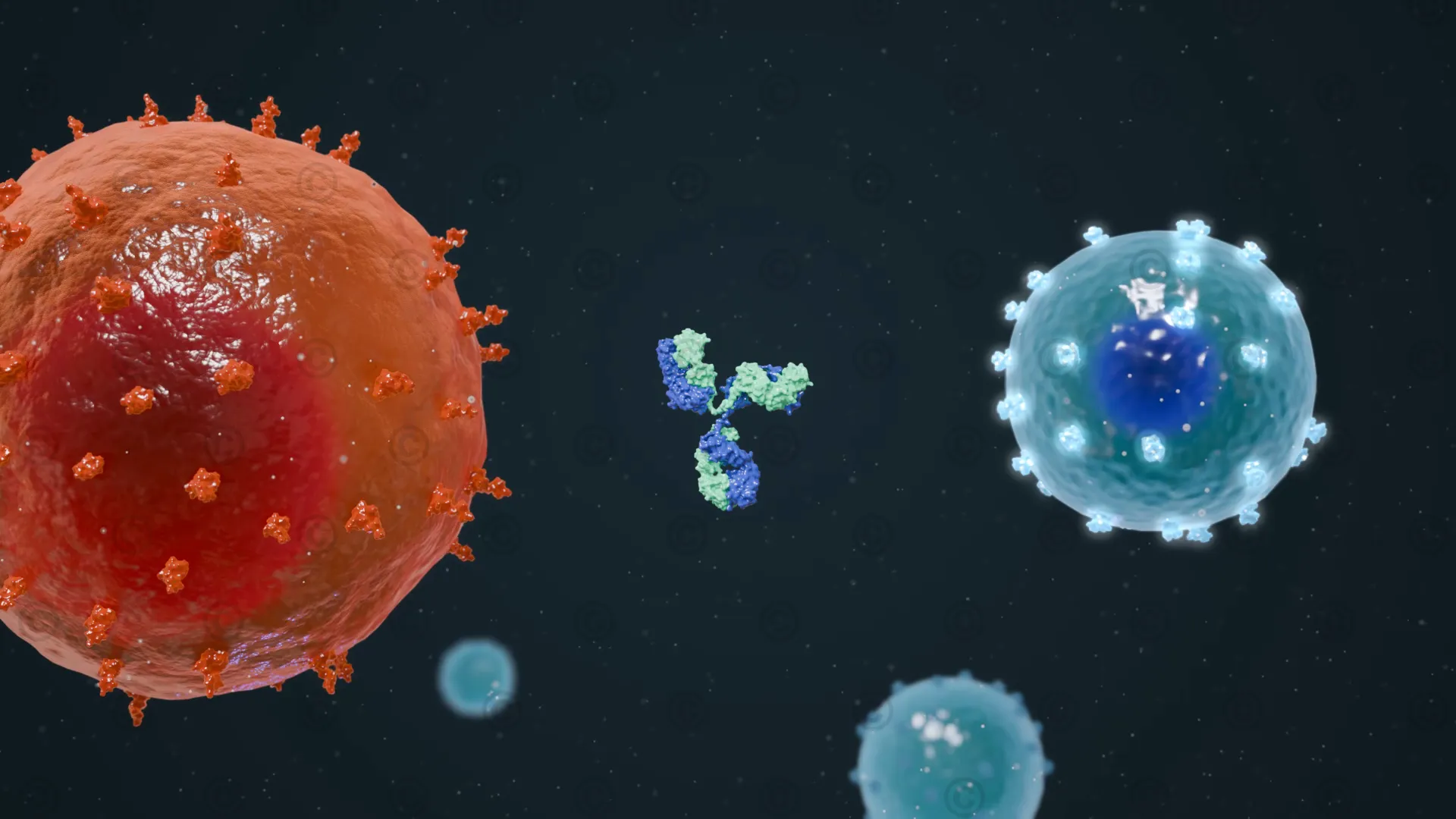
The bispecific antibody binds the CD3 protein complexes on the surface of T cells to the B-cell maturation antigen (BCMA) on the surface of malignant myeloma cells.
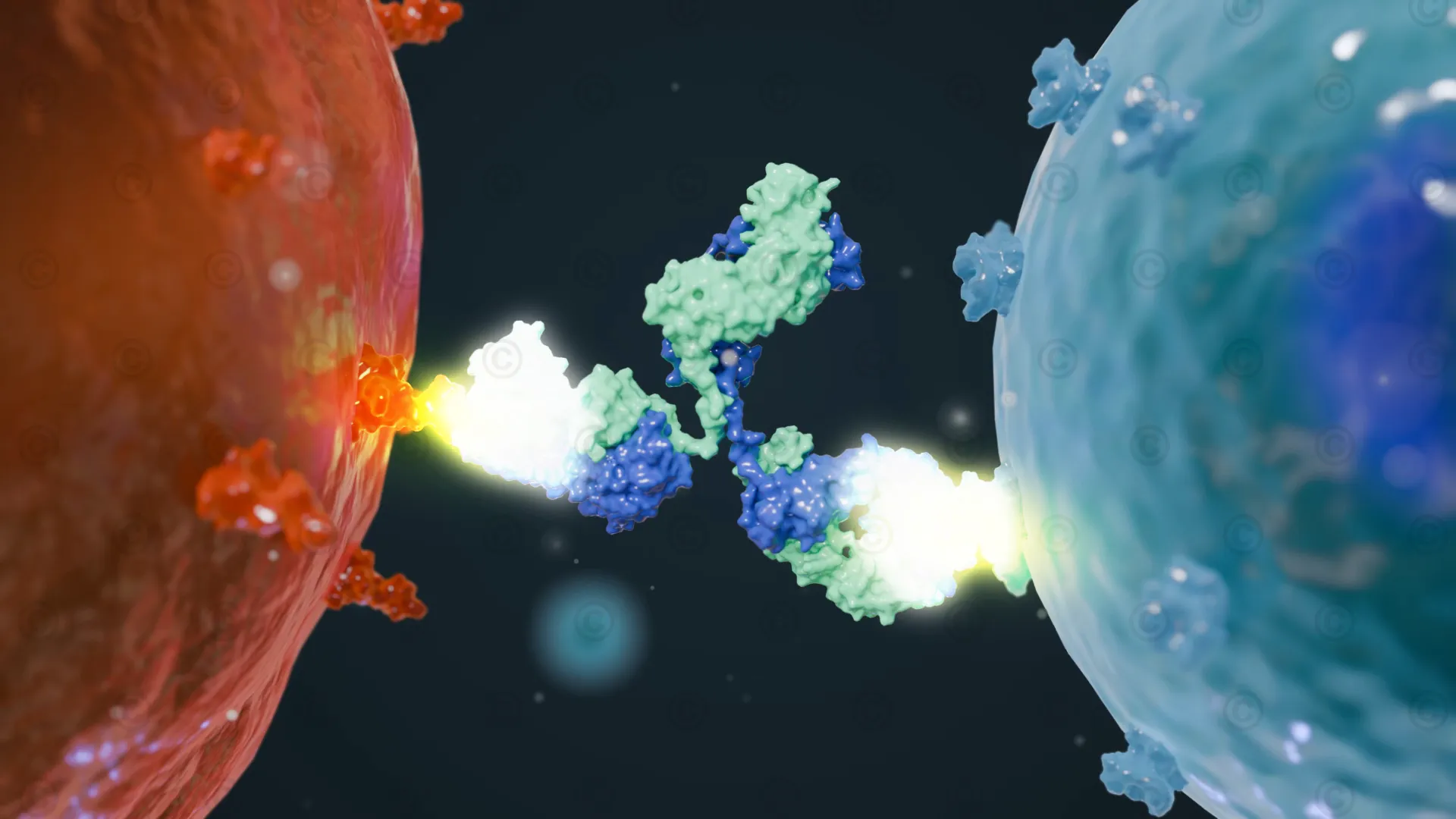
The activated T cells release granzyme and perforin, which target the myeloma cells.
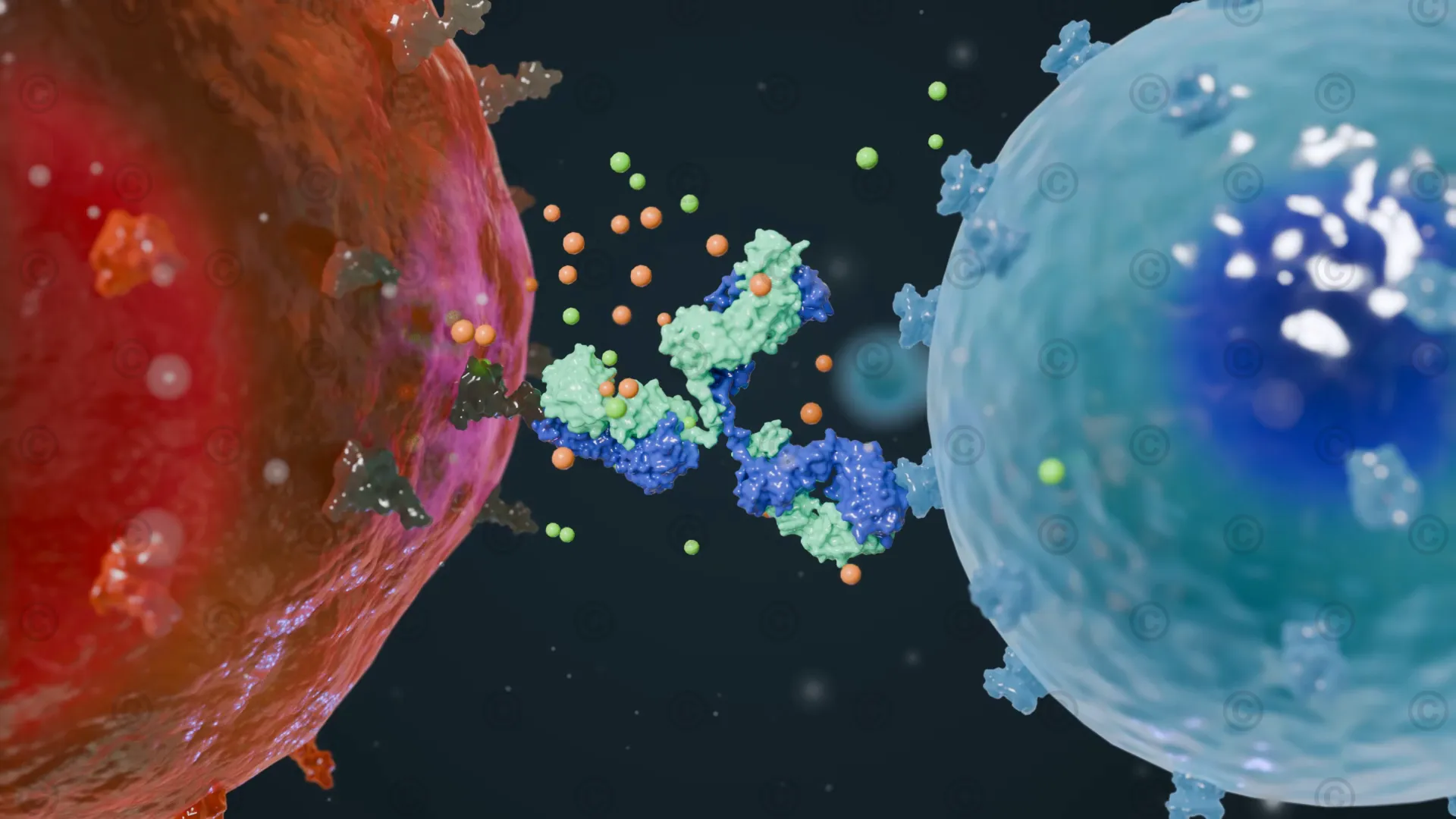
Granzyme serine proteases inside the myeloma cell trigger apoptosis in the cancer cell. The myeloma cell dies.
Project details animation active substances against multiple myeloma
Content: Mode-of-action 3D Animation
Usage: Transparent displays at medical conference
Specs: Full-HD, 50 frames per second, 1:00 min, german subs
Client: Janssen / Johnson & Johnson
The rights to use the images and videos shown here belong to the client; use of the images shown here is not permitted. Images and videos are protected by watermarks.
The animation’s primary use was for presentation at the client’s booth during a medical conference. The MOA animation was shown there on transparent 52-inch displays (OLED/TOLED). On these devices, dark parts of the image appear transparent, while elements become more opaque the brighter they are. Accordingly, when designing the animation, we opted for a dark background, which is then rendered nearly transparent. In contrast, the elements were designed to be significantly brighter to ensure good visibility. We also used clearly defined shapes and colors to achieve a distinct separation between the transparent background and the opaque or slightly translucent image elements.

-> Link to video page “animation active substances against multiple myeloma”