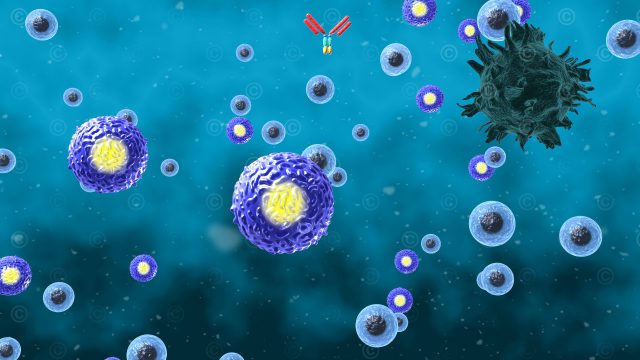
Background:
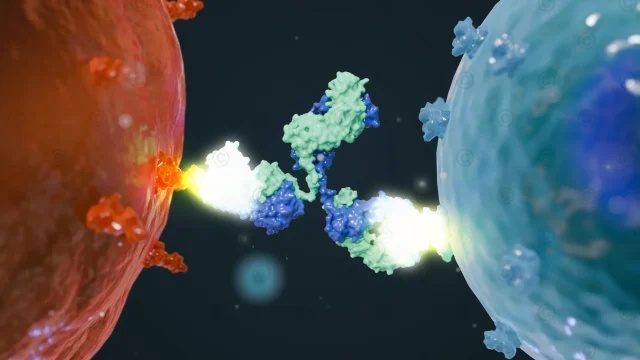
In CAR-T cell therapy, the patient’s own T cells are extracted. These are genetically modified to produce artificial receptors (chimeric antigen receptors, or CAR for short) on the surface of the T cells. The CAR-T cells are multiplied and then re-administered to the patient via infusion. Once in the body, the CAR-T cells bind to the cancer cells via their chimeric antigen receptors and attack them.
MOA Animation – CAR-T Cell Therapy
Copyright for visual material: Janssen / Johnson & Johnson
Music: Kevin McLeod – Impact prelude – License: Creative Commons (CC BY 3.0)
Project description:
Design of a 3D “mode of action” animation illustrating the use of CAR-T cells in the treatment of malignant bone marrow cancer (multiple myeloma). The animation provides a brief overview of the fundamentals of CAR-T cell therapy for multiple myeloma.
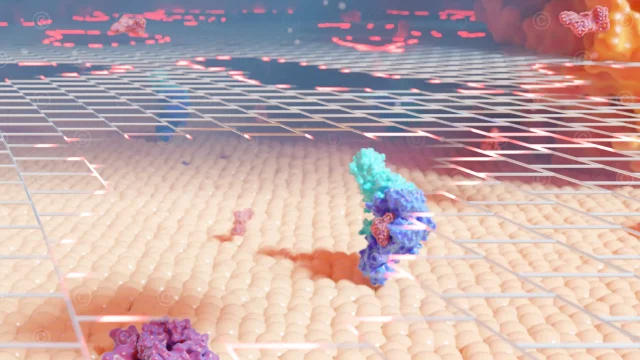
The animation’s primary use was for presentation at the client’s booth at a medical conference. The MOA animation was shown here on transparent 52-inch displays (OLED/TOLED). On these devices, dark areas of the image appear transparent, while elements become more opaque the brighter they are. Accordingly, a dark background was chosen during the animation’s design phase, which is then rendered nearly transparent. In contrast, the elements were designed to be significantly brighter to ensure good visibility. We also used clearly defined shapes and colors to achieve a distinct separation between the transparent background and the opaque or slightly translucent image elements. To make the animation appear as organic as possible on the transparent displays, the MOA animation was created at 50 frames per second.

As part of CAR-T cell therapy, T cells from the patients with multiple myeloma are collected.
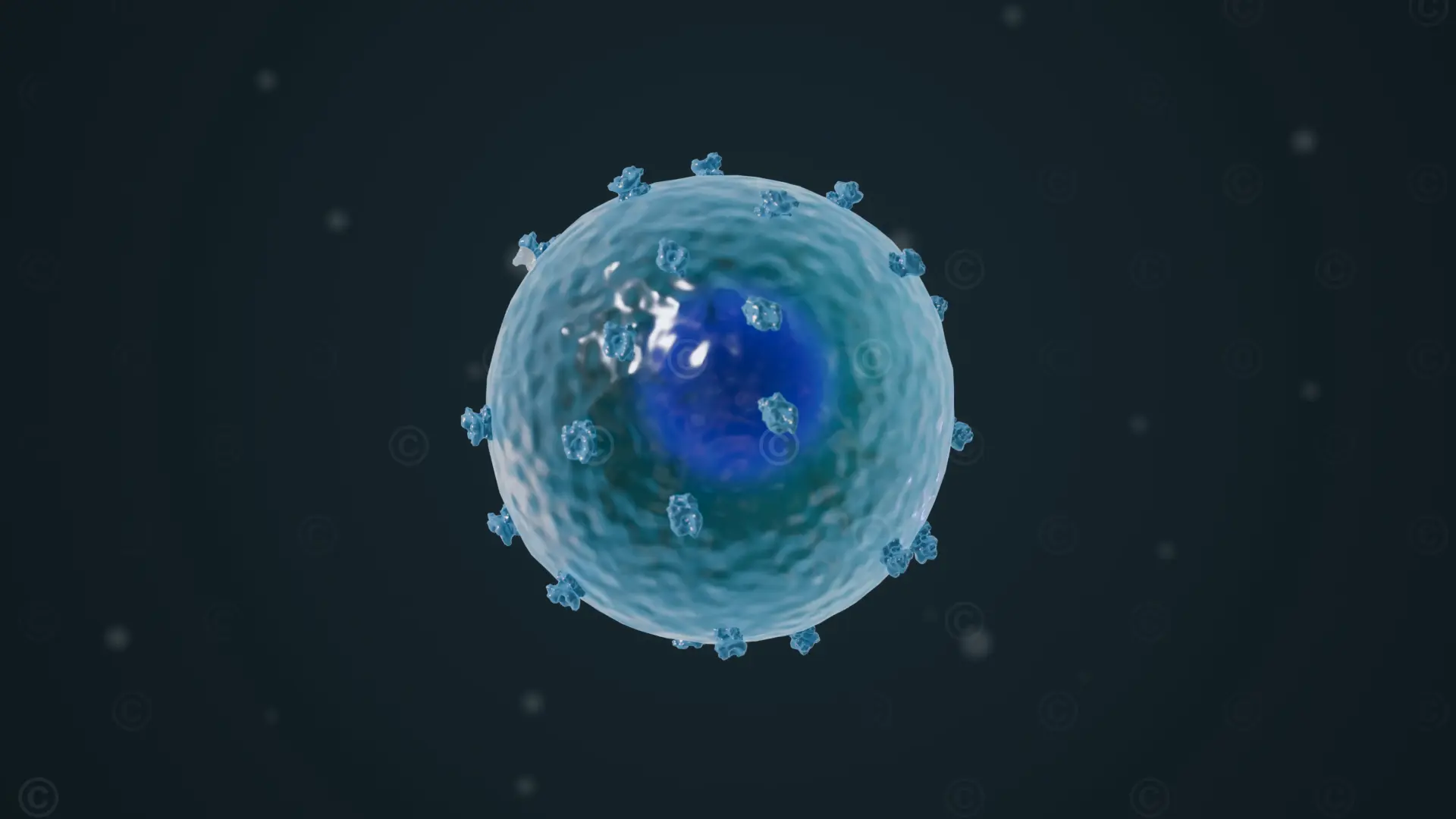
The T cells collected from the patient are genetically modified so that chimeric (artificial) antigen receptors form on their surface. “Chimeric antigen receptors” are abbreviated as “CAR.”
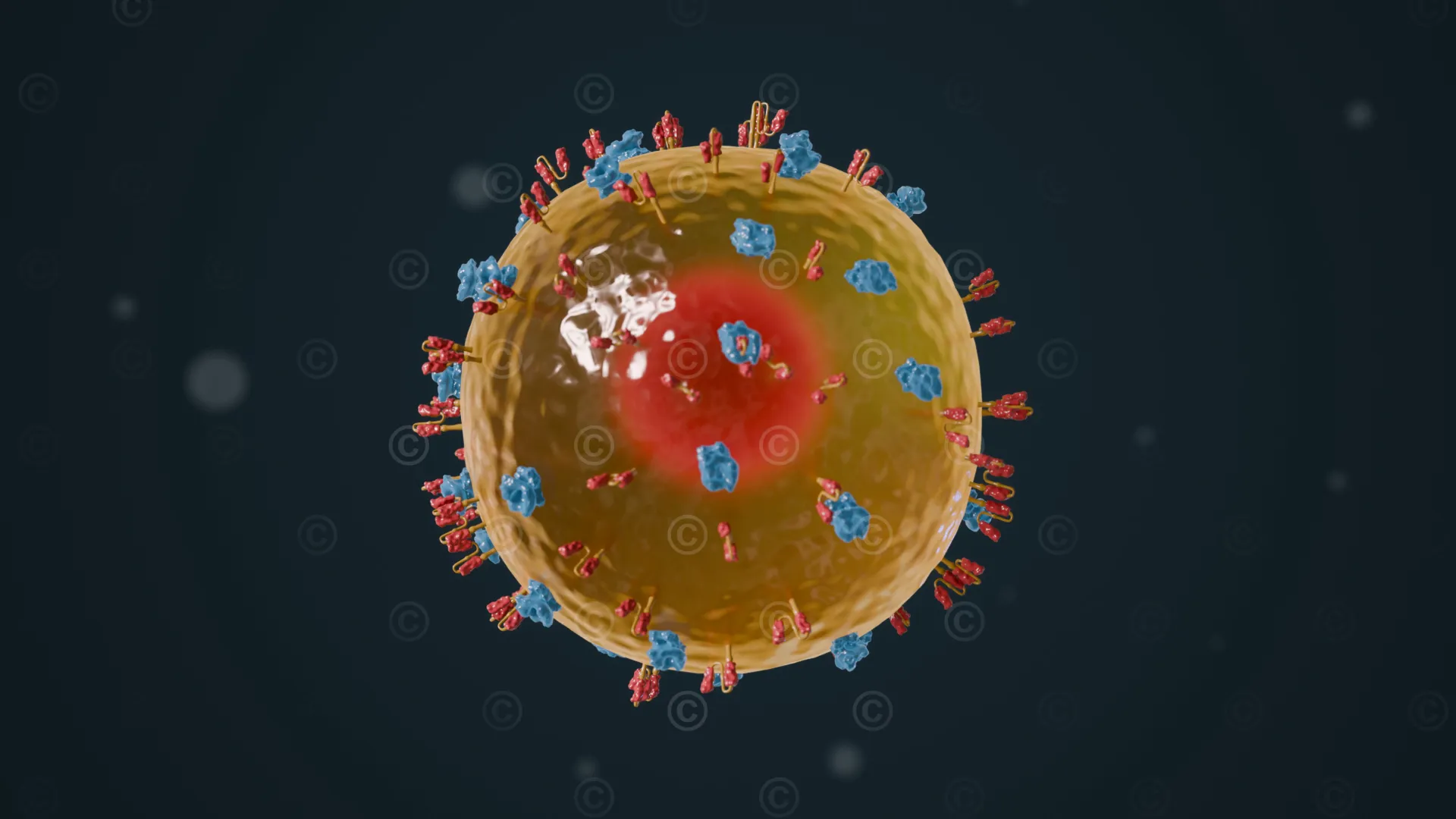
The chimeric antigen receptor has an extracellular antigen-binding domain consisting of two single-domain antibodies (VHH domains). These are designed to bind specifically to BCMA (B-cell maturation antigen) on the myeloma cell.
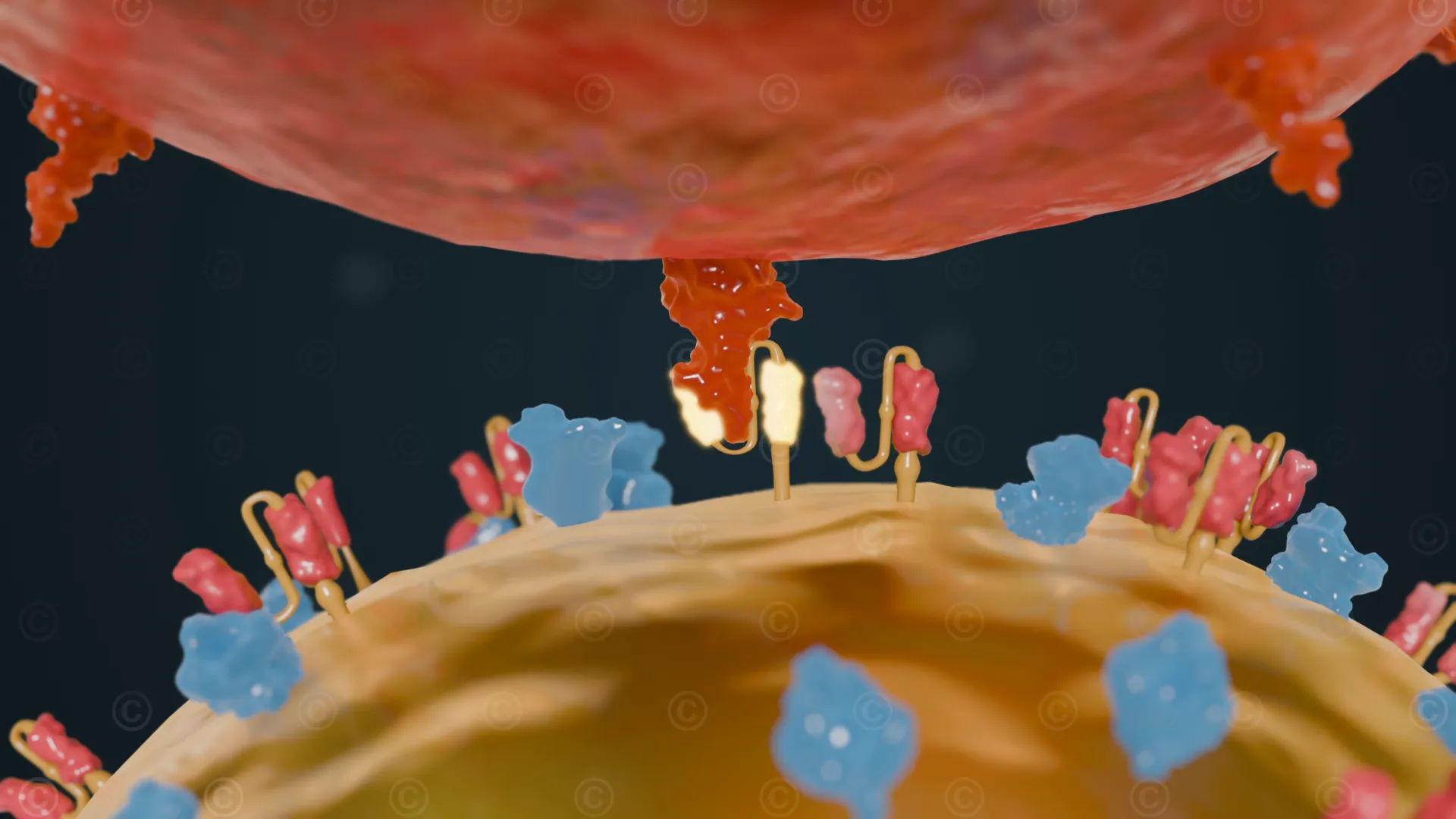
Inside the CAR-T cell, the “CD3 zeta” and “4-1BB” domains mediate the cell’s activation.
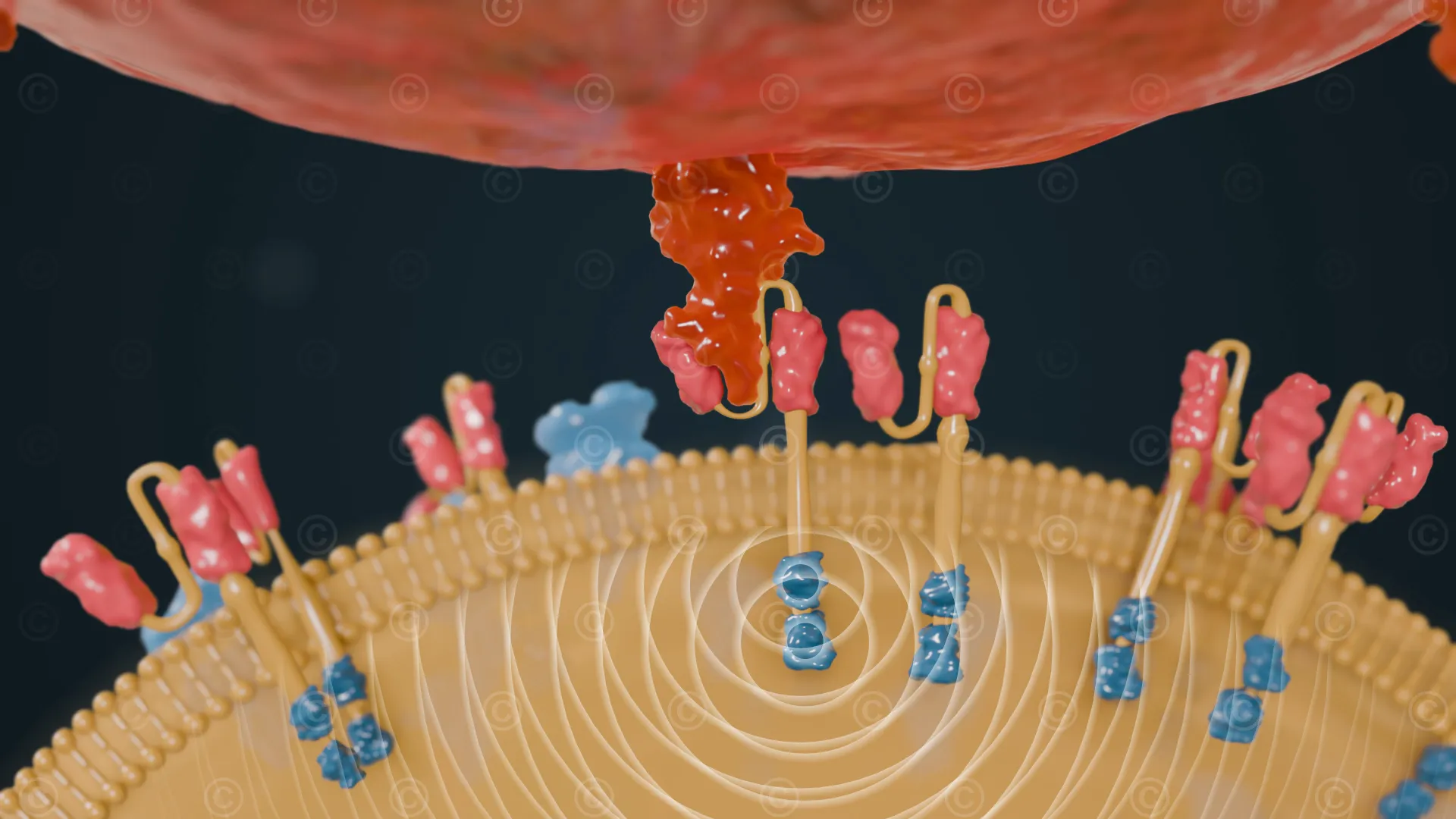
As a result, the CAR-T cells multiply (proliferation).
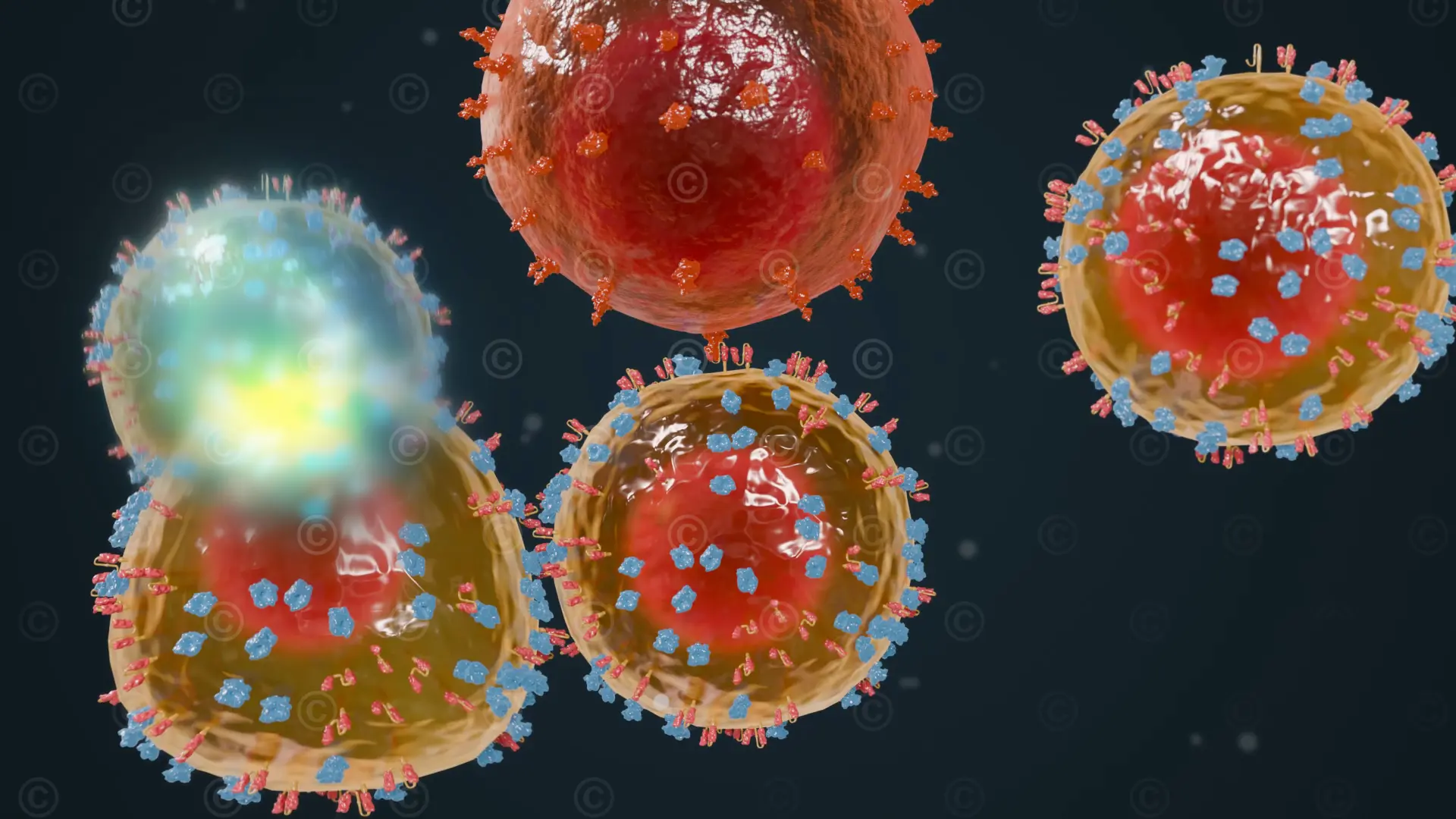
In addition, the CAR-T cell releases perforin and granzyme (perforin-granzyme axis), thereby attacking the myeloma cell.
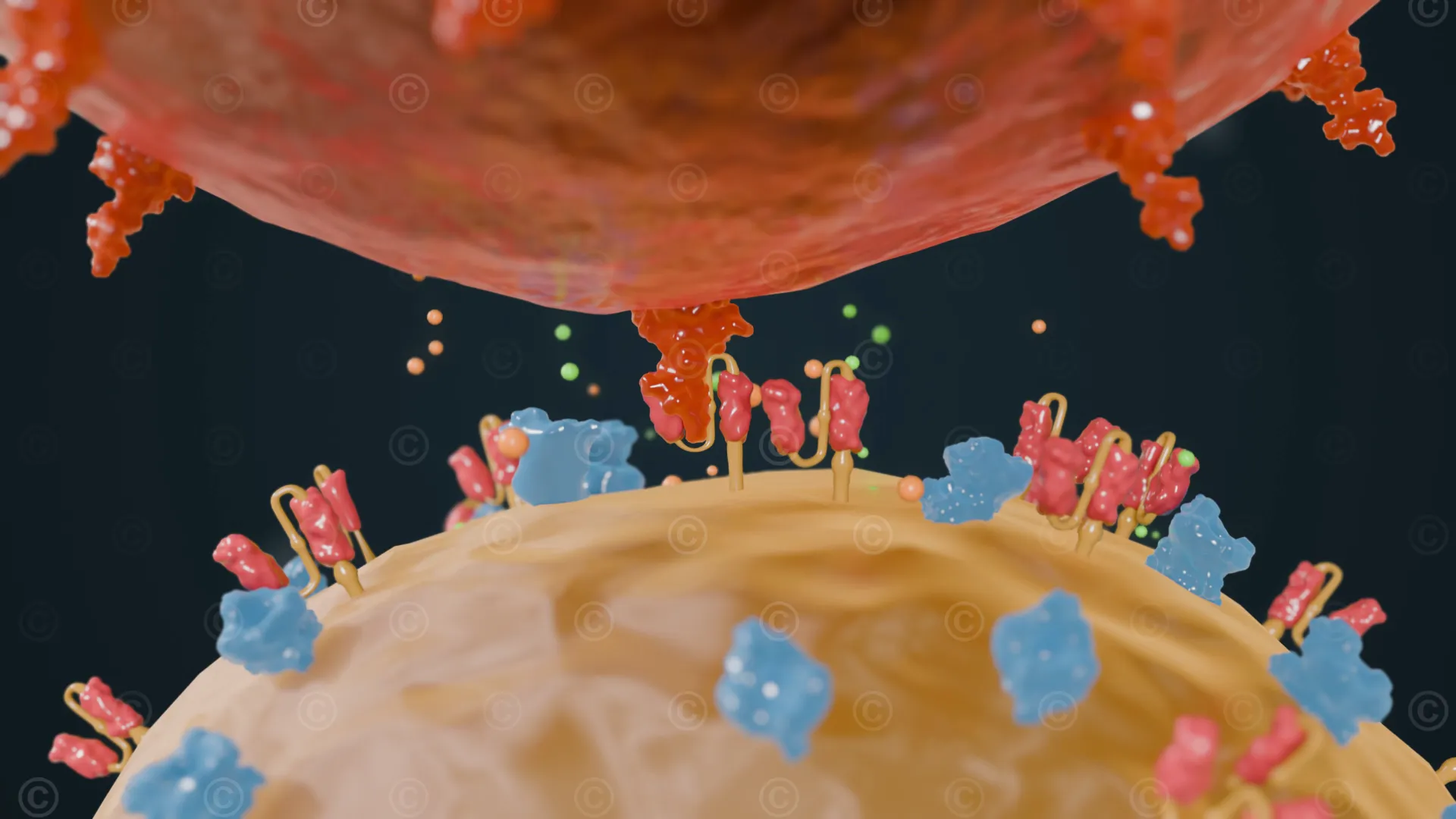
Granzyme serine proteases trigger apoptosis in the target cell. The myeloma cell dies.
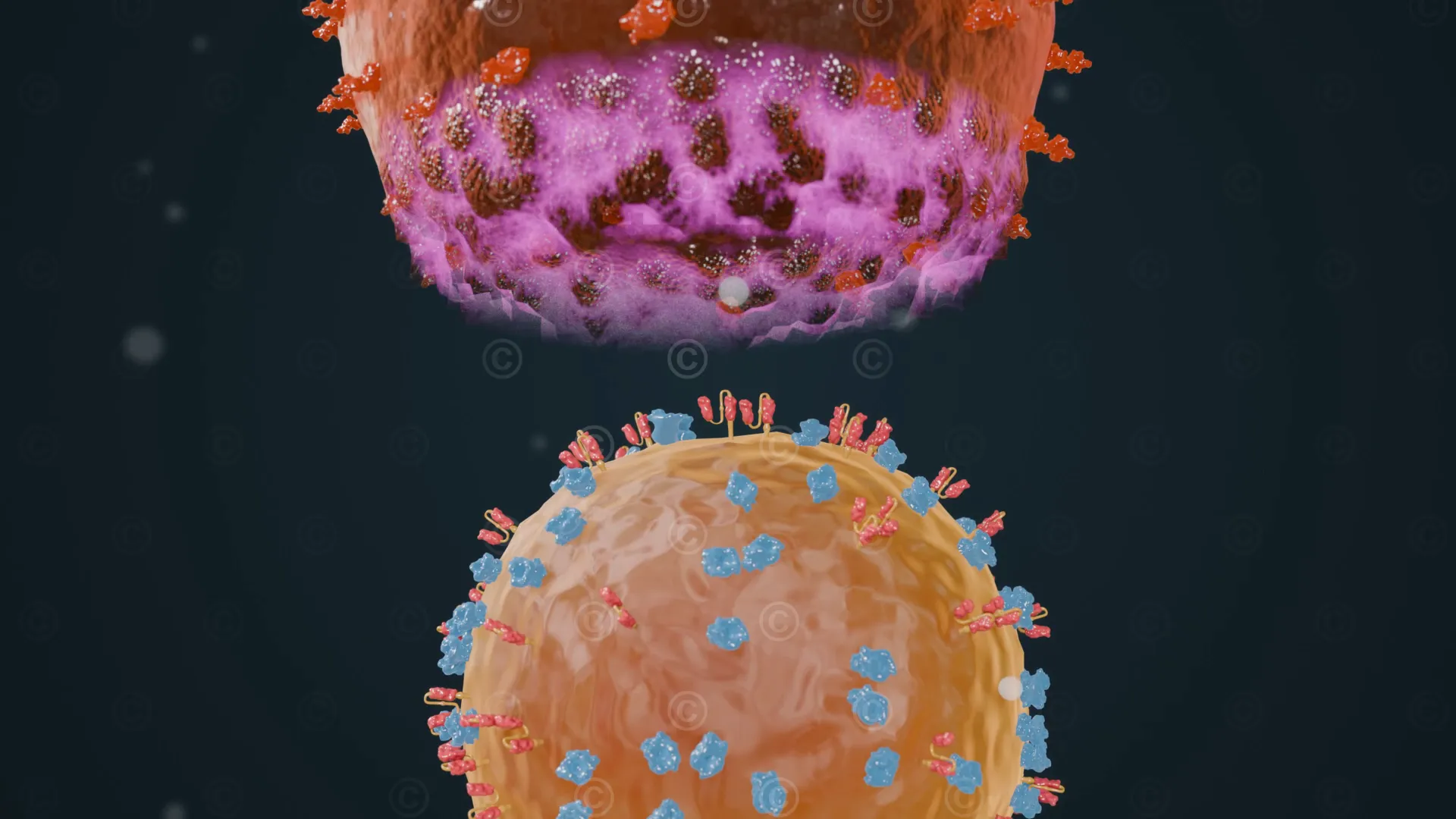
In addition, the CAR-T cell releases other cytokines, thereby inducing inflammatory processes that subsequently destroy additional tumor cells and recruit other immune cells.
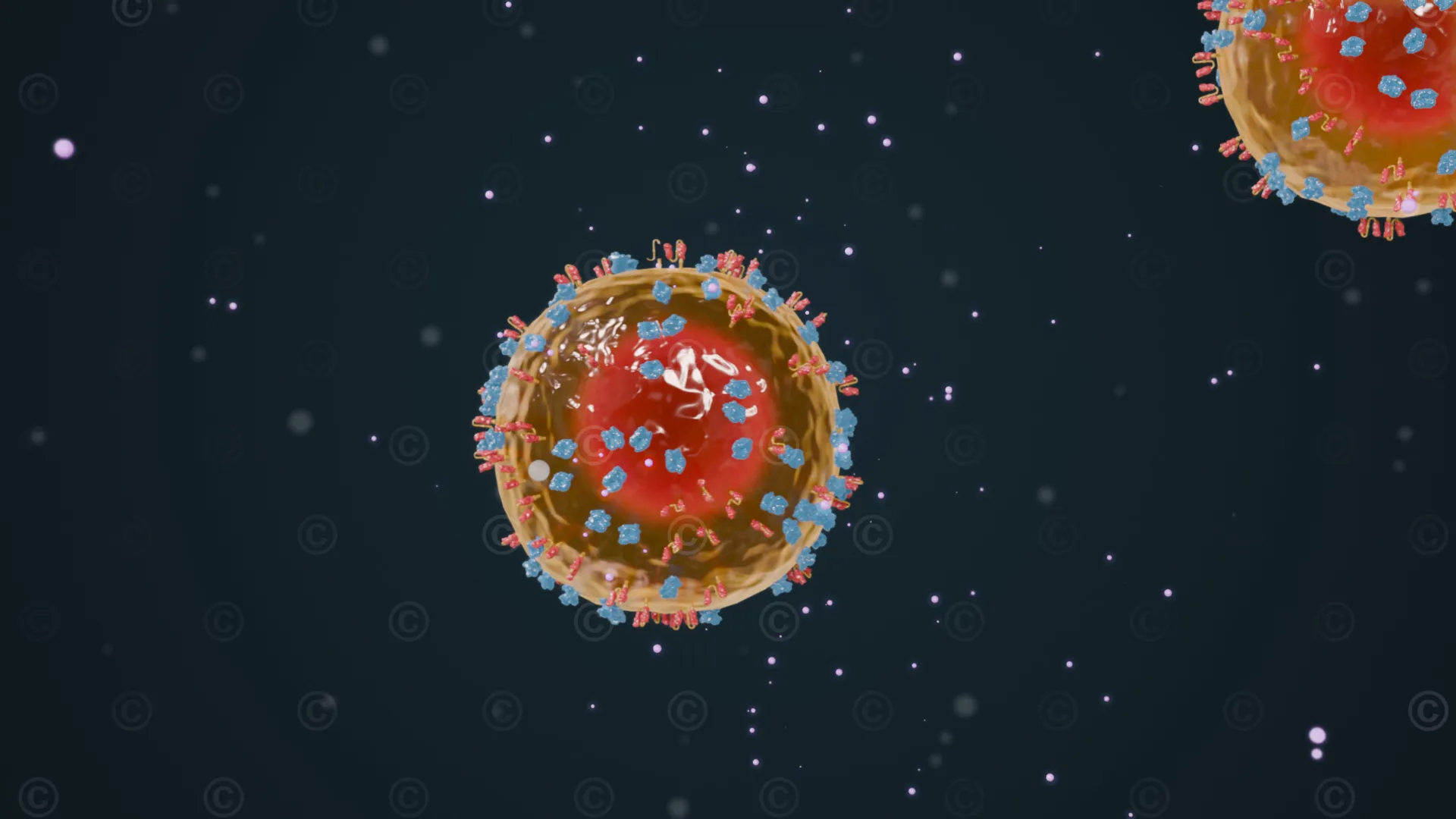
Project details MOA Animation – CAR-T Cell Therapy
Content: Mode-of-action 3D animation
Usage: Transparent displays at medical conference
Specs: Full-HD, 50 frames per second, 1:30 min, german subs
Client: Janssen / Johnson & Johnson
The rights to use the images and videos shown here belong to the client; use of the images shown here is not permitted. Images and videos are protected by watermarks.